- Ministério Jovens Bíblicos
- Missão/Mission
- Conheça o Nosso Tik Tok
- Defesa da Fé
- Interpretação e Validade Bíblica
- Artigos Teológicos
- Perguntas de Leitores
- A Arte de Pregar
- Debates Bíblicos e Filosóficos
- Devocionais
- Finanças
- Pentecostalismo
- Escola Dominical
- Direito e Religião
- Arminianismo
- Resenhas de Livros
- Liderança Cristã e de Jovens
- História da Igreja
- Oração e Evangelização
- Filosofia
- Ciência e Saúde
- Artigos Para Jovens
- Doutrina Cristã
- New Articles In English
- Como Lidar Com a Depressão? (E-book)
- Redes Sociais
- Contribua
- Área de Alunos
- Deixe Seu Recado
- Contatos
|
6 |


What are the theories regarding the mind?
"For as he thinks in his heart, so is he. 'Eat and drink,' he says to you, but his heart is not with you." — Proverbs 23:7
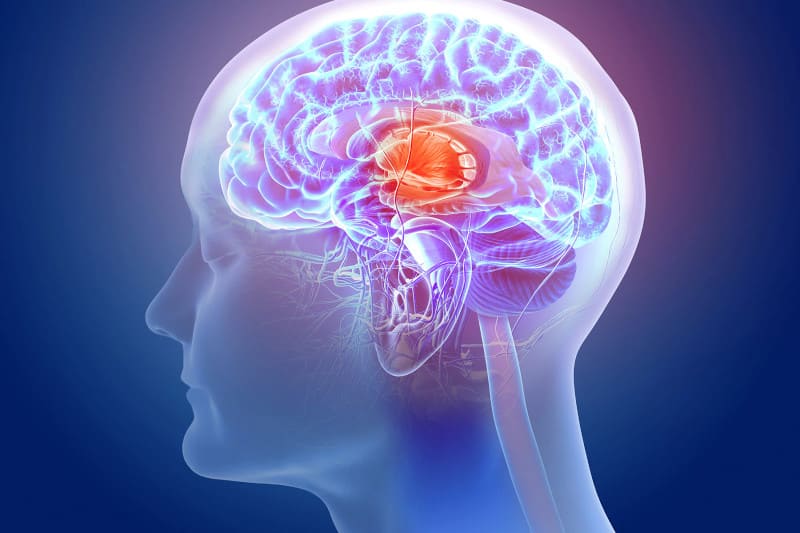
There is an ongoing debate as to whether the human mind is merely the brain or something more. Several theories have been proposed regarding this discussion, including: reductionism, functionalism, embodied cognition, and dualism. Here is a brief explanation of each.
Reductionism: claims that mental states (emotions, thoughts, and desires) can be reduced to the physicochemical processes and electrical impulses of neurons.
Functionalism: argues that the brain is not a separate substance but operates at a higher level of data processing. It draws inspiration from computer science: the brain is the physical computer (hardware), and the mind is the program running on it (software).
Embodied cognition: claims that the mind does not reside solely in the brain but extends to the environment and the entire body.
Dualist theory: argues that the mind possesses a supernatural component that is tuned to the brain. The mind exists both within the brain and beyond it.
An argument in favor of dualist theory is that if the mind were merely chemical reactions within the brain, human freedom would not exist; everything would be predetermined by those reactions. Scripture also supports the dualist view, referring to the mind as the soul (Proverbs 23:7).